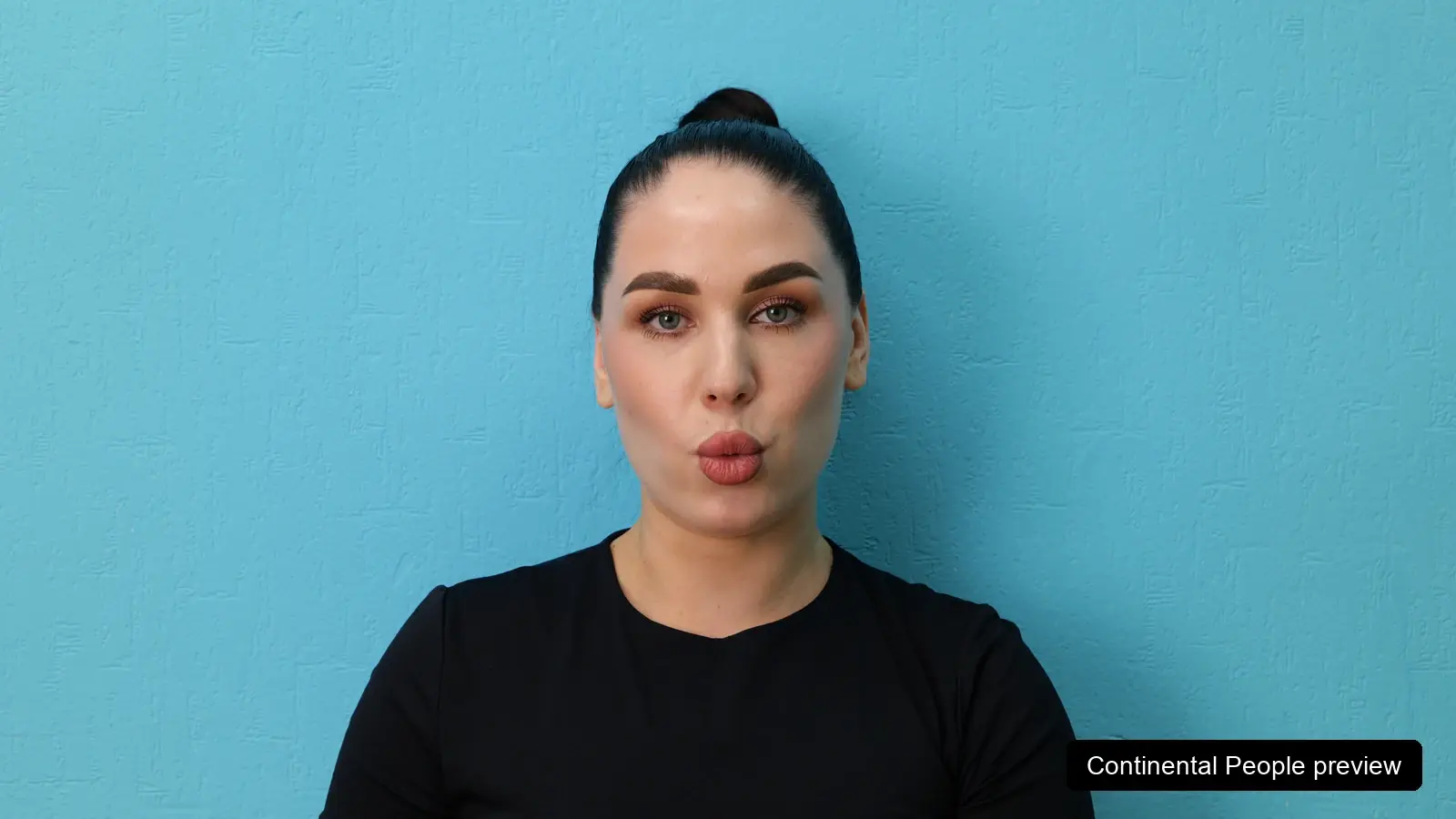
Face & speech
Face and audiovisual speech
Repeated prompts, controlled conditions and synchronized speech for face-centric research and evaluation.
Custom human video datasets for AI
We design the protocol, capture real participants with documented permissions, QA the material against agreed acceptance rules, and deliver structured media — not loose footage.
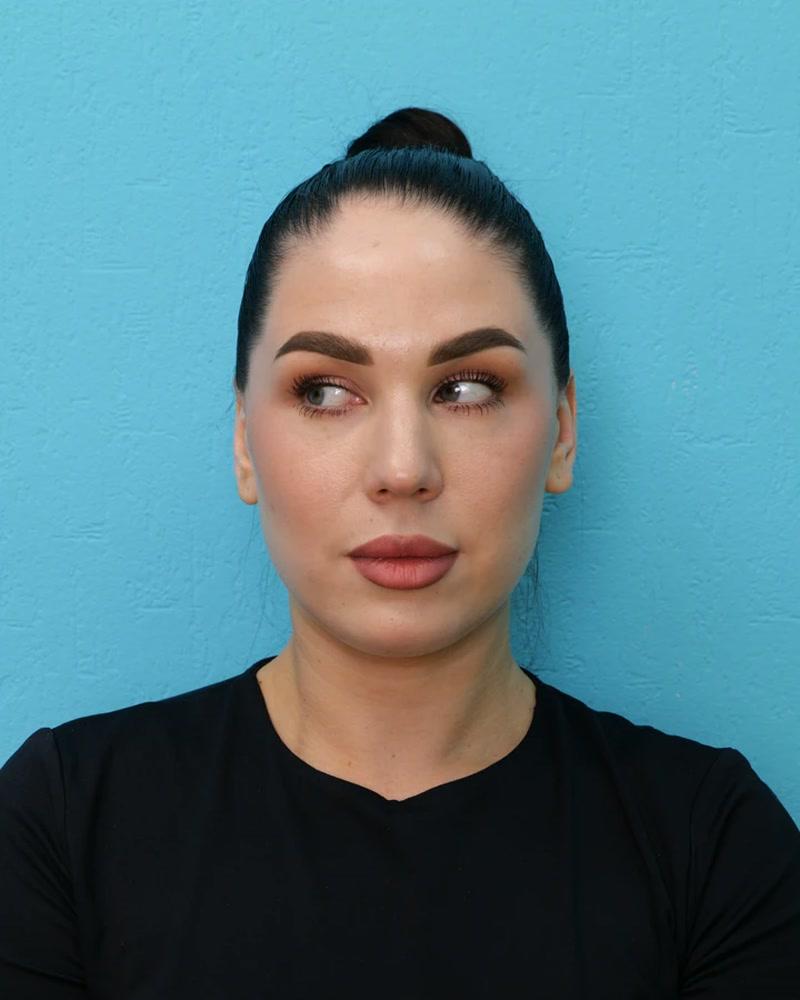
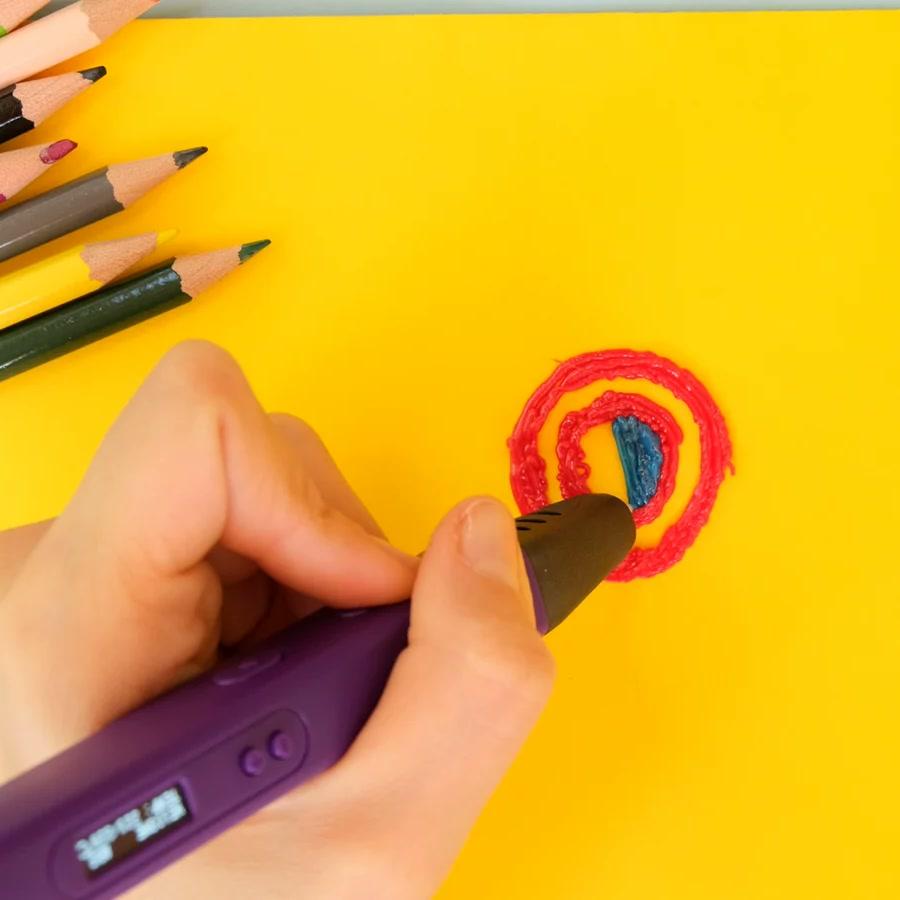
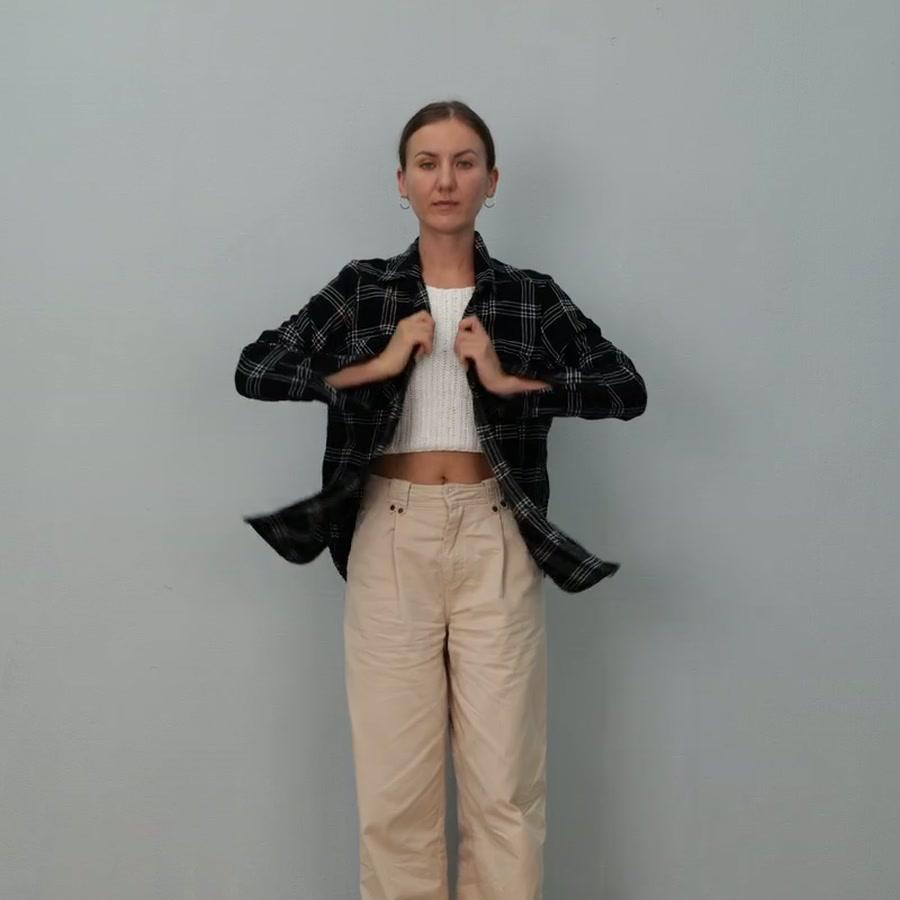
Proven capture archetypes
These public examples show capture patterns already produced by Continental People. Project feasibility, participant scope and intended use are confirmed during review.
Face & speech
Repeated prompts, controlled conditions and synchronized speech for face-centric research and evaluation.

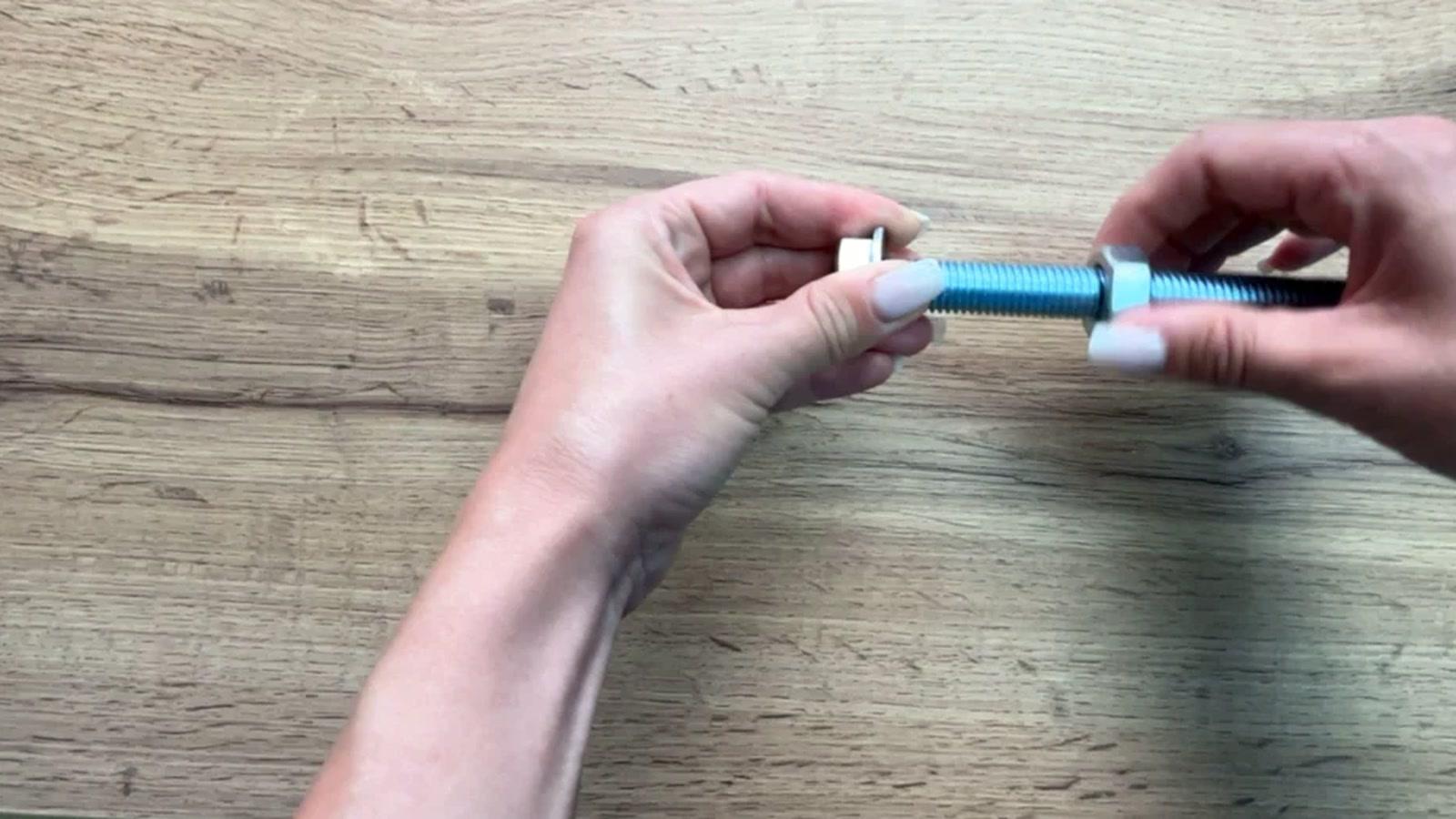
Procedural capture
Fine hand movements, object interaction and repeatable task steps for procedural and physical-world workflows.
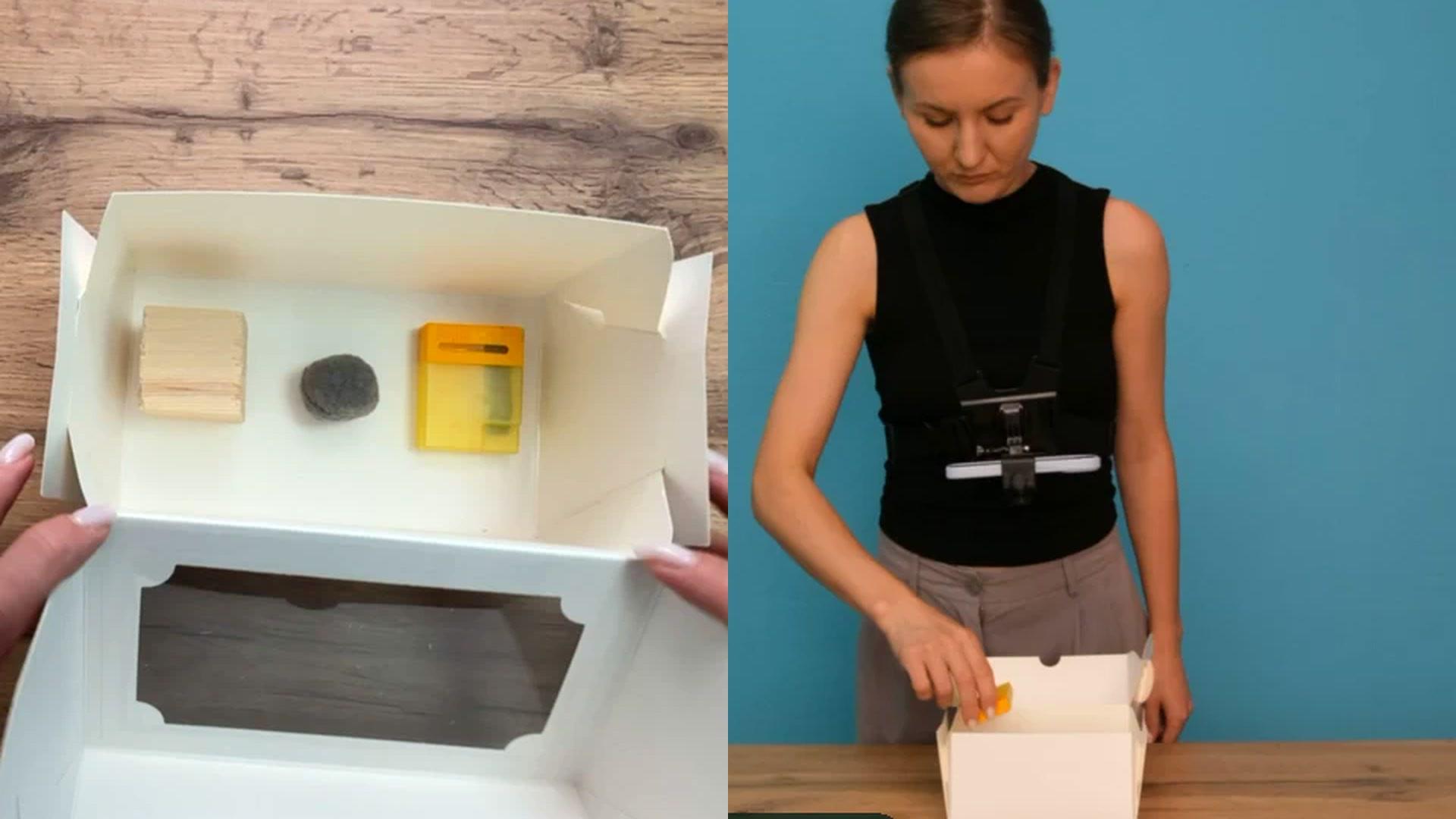
Multi-view events
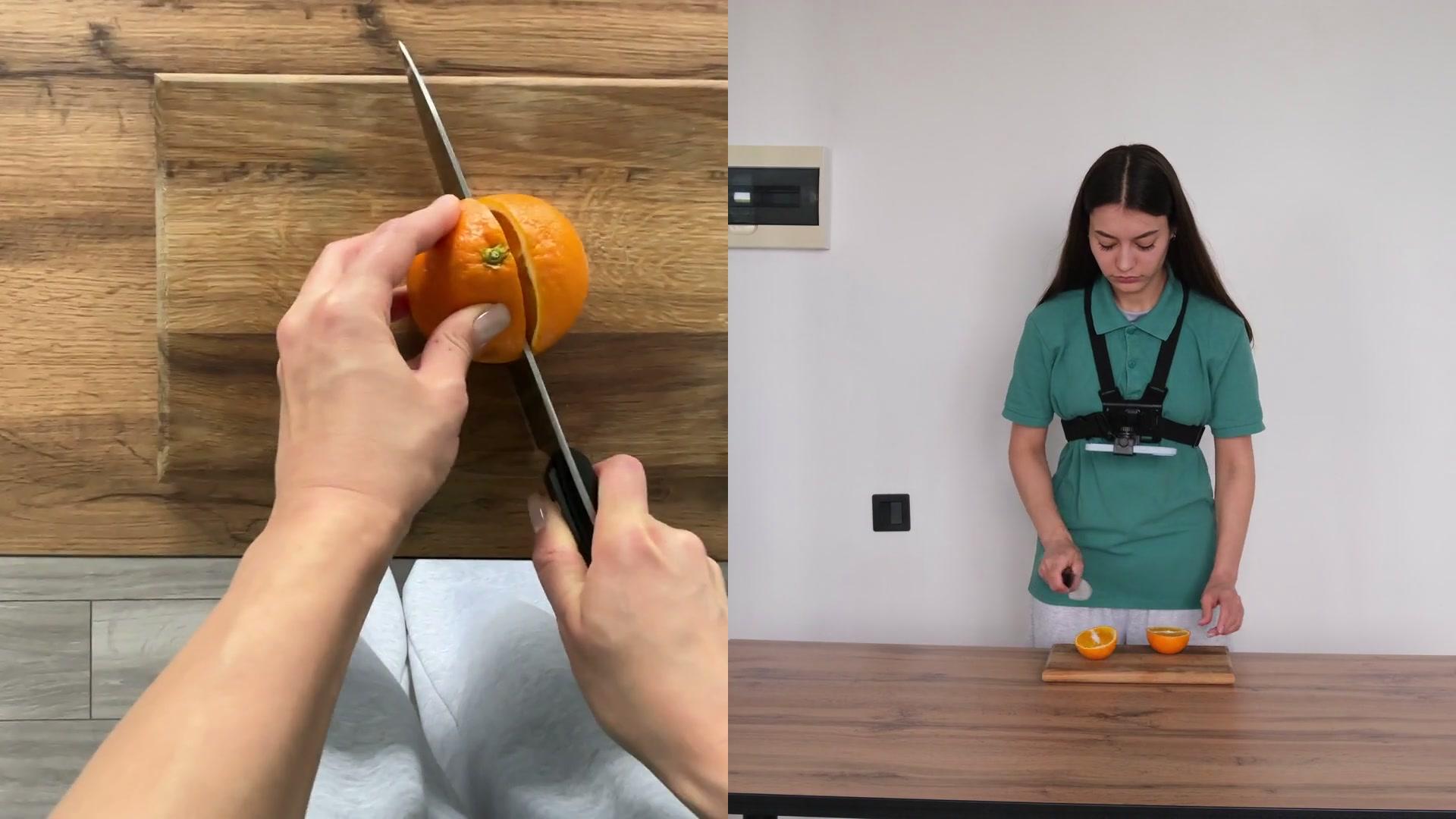
The same event can be captured from egocentric and third-person views when the protocol requires it.
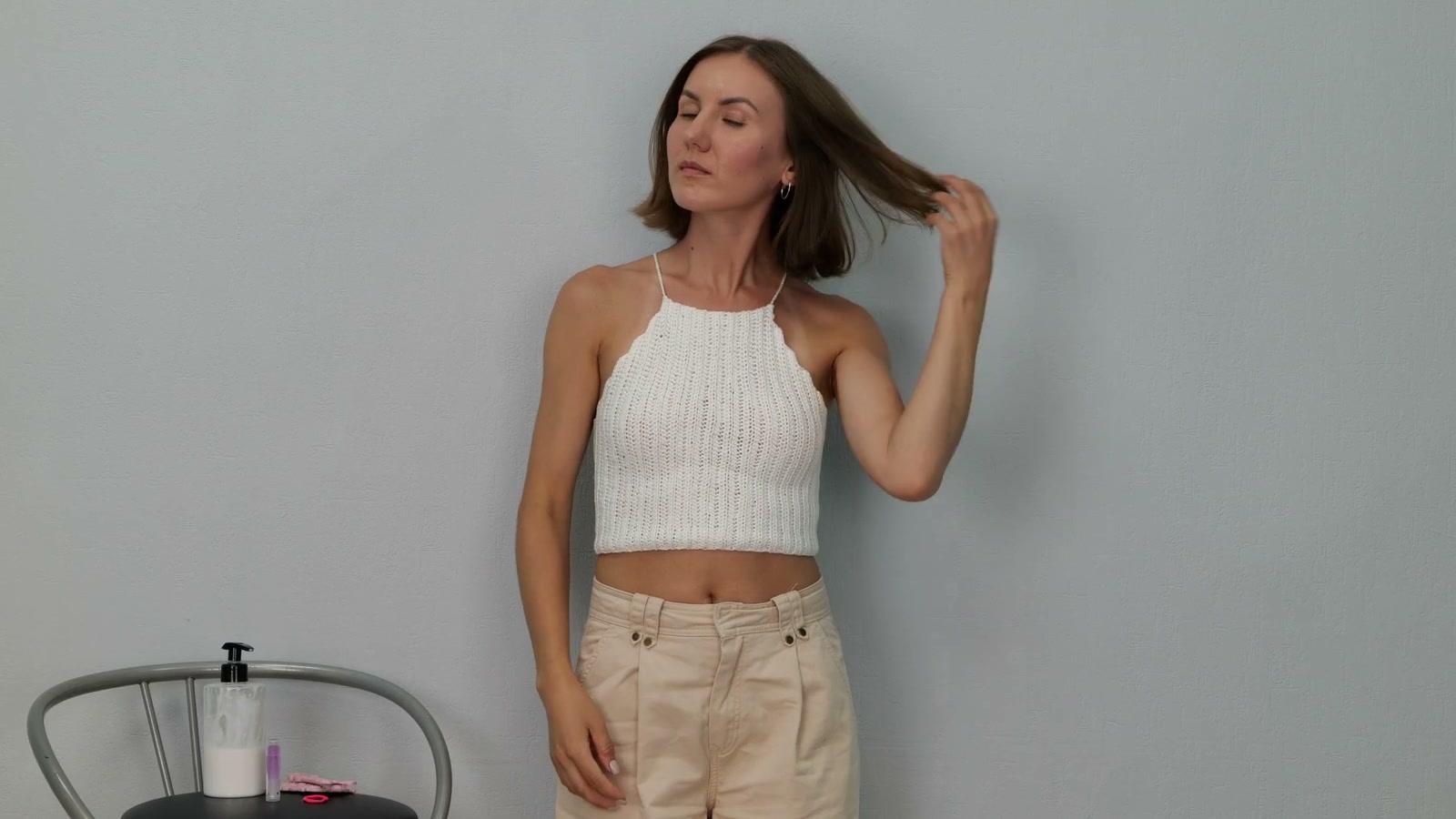
Supporting pattern
A published proof-of-concept for controlled appearance, body motion and performed prompts.
Review Studio HumansProject-specific capture
Projects with young participants are discussed individually. Age ranges, tasks, capture formats and participation conditions are agreed for each project.
The video shows one example: a capture setup for age-assurance and presentation-attack research, featuring live capture, printed photographs and screen-based presentations. Other projects are scoped around your specific requirements.
A single 15-year-old participant is recorded in four presentation states: live, a printed photograph, a photograph displayed on a screen, and a video replay displayed on a screen. Setup shots show the camera and presentation materials. The film includes music and short participant speech. It demonstrates a capture setup, not an age-estimation or attack-detection result. The final invitation is to discuss a project-specific capture brief.
From data gap to acceptance
Clarify what the model needs to see, the people and actions involved, the required views and the material constraints.
Agree the capture matrix, participant profile, metadata, permissions and acceptance criteria before production.
Evaluate the pilot material and documented QA results before a larger collection is planned.
Freeze the accepted version for delivery, or define a funded expansion from the reviewed evidence.
What accepted delivery looks like
The exact package is agreed per project. Approved media stays connected to its capture plan, metadata, QA records, version and delivery documentation.
Real delivery example · Household E021
These public 1080p excerpts show chest-mounted and fixed third-person views of the same physical event. Their playback times are not a claim of frame-level synchronization.
The underlying 4K evaluation sidecars describe separate silent H.264 representations, not the public previews shown here.
4K chest-view sidecar excerpt: 3840 × 2160 · 12.604 s · no audio · SHA-256 2d3e53e954c9f6502d6cf507350e01cad220ab7140897b83fcc2afc32571fc85. The 4K media is not publicly downloadable.
SHA-256 checksums for the two public 1080p files, not the private 4K derivatives:
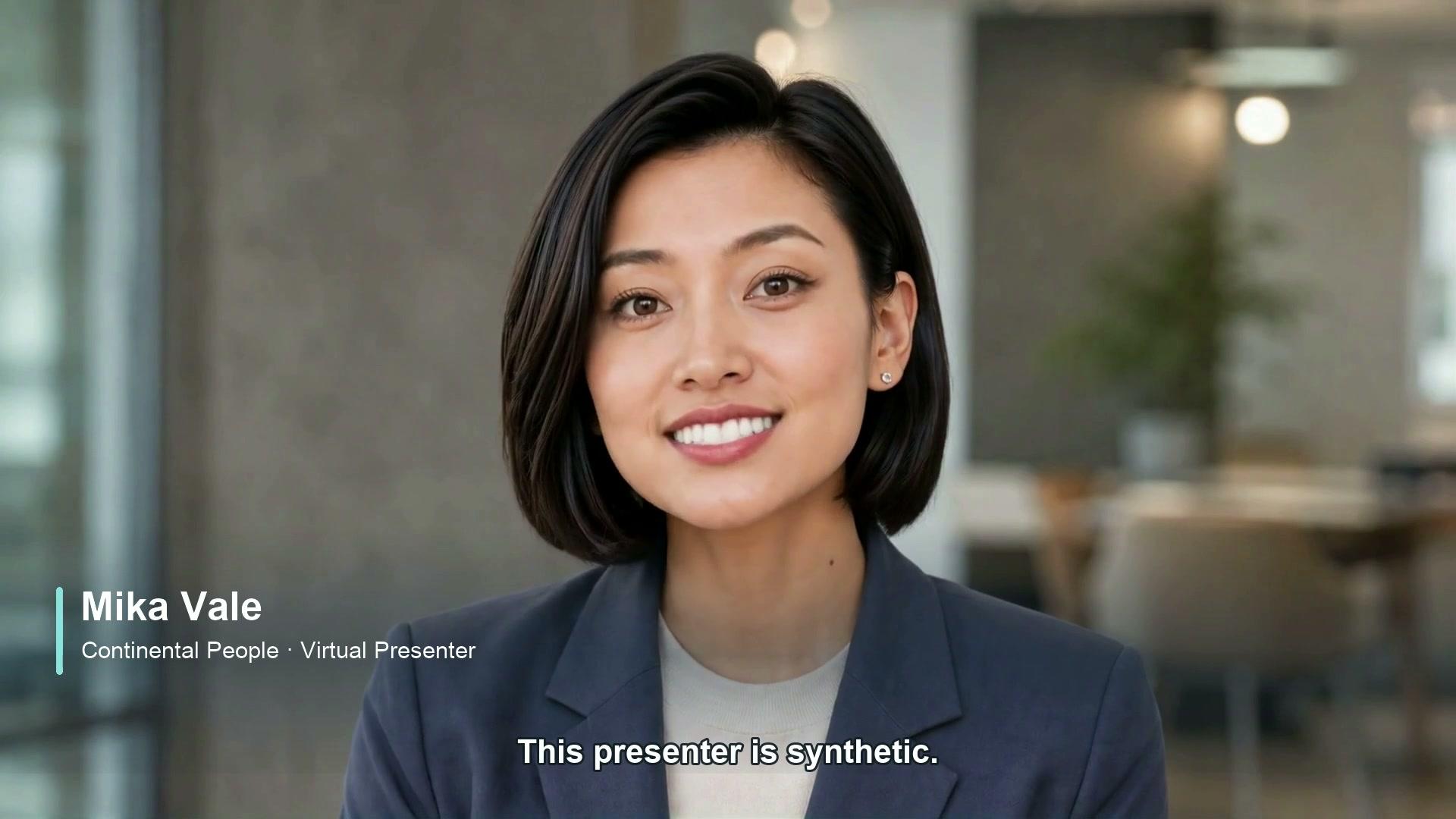
41-second overview
Mika is our AI-generated virtual presenter. Dataset footage features real people.
Start with the essentials
A rough data gap is enough for a first review. If the project fits our production model, we will follow up to define the pilot, acceptance criteria and commercial scope.
This is a feasibility request, not an order or production commitment.
Boundaries & next steps
Yes. A bounded pilot can be scoped so your team can review capture, metadata and agreed acceptance evidence before any expansion. Feasibility, price and timing are confirmed after review.
Participant scope and geography are reviewed against the project specification, permissions and production feasibility. Additional locations can be assessed for a defined funded project.
Potential annotation, camera, audio or sensor requirements are assessed during technical scoping. Submission does not confirm availability or inclusion.
Permissions and intended uses are scoped per project and reflected in the applicable agreements. We do not promise unrestricted use, participant identities or release scans.
We review production fit and may request more detail for a pilot scope. A submission is not an order, quote or commitment.
Custom capture